of European PVC goes into building and construction
 Ex Fumo, Vi Electrica, Materia Nova Surgit.
Industrial carbon, renewed
Carbon reborn.Put back to work.
Carbo Redivivus is developing an electrified pathway that transforms captured CO2, water and table salt into feedstocks for PVC production—designed for intermittent renewable electricity.
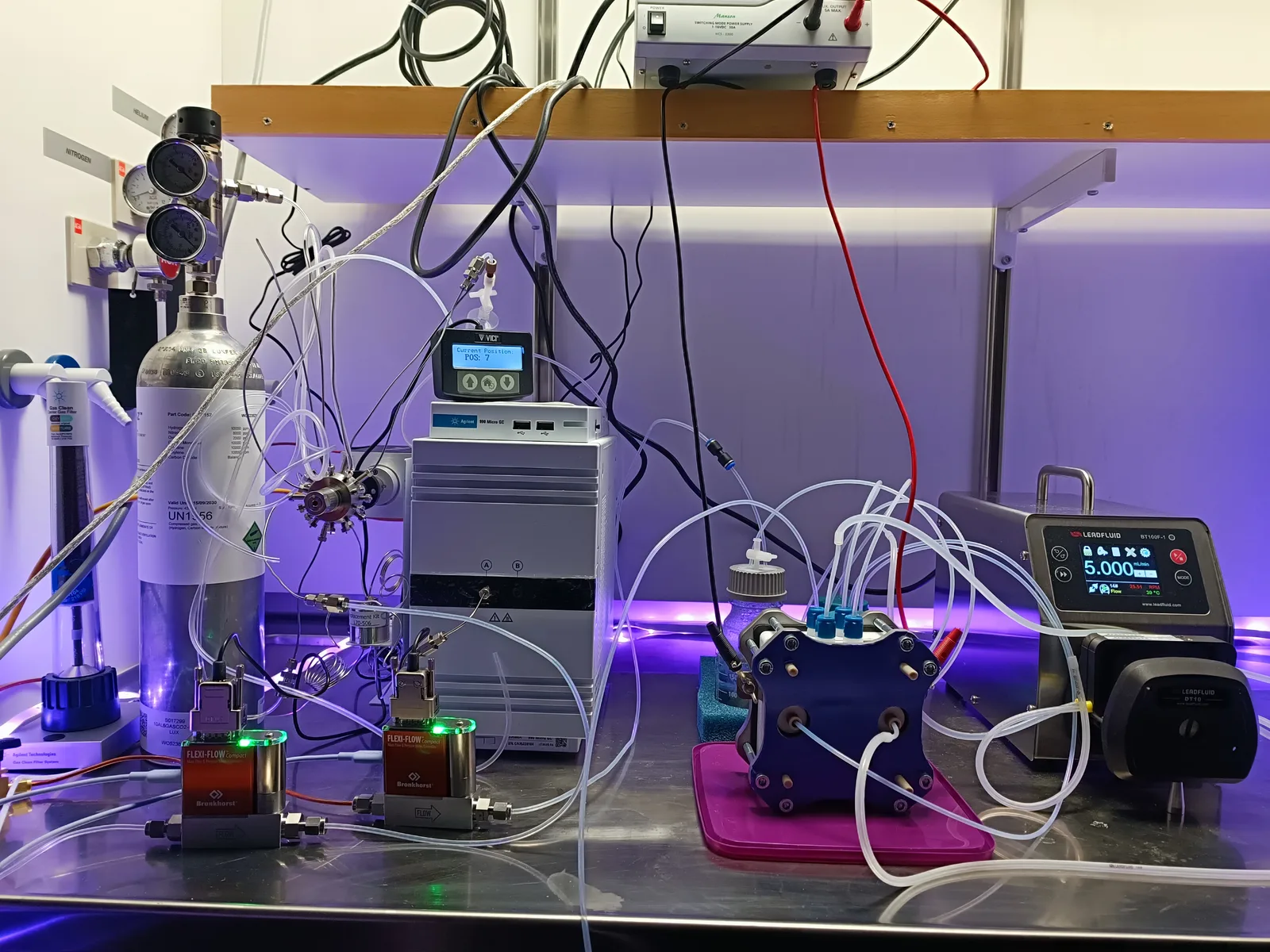
In the lab
Building the chemistry
for carbon's next life.
A different carbon story
Carbon is everywhere.
Industry still digs for more.
Every metre of PVC pipe begins with fossil oil.
Chemical manufacturing relies on fossil carbon not only for energy, but as the molecular foundation of everyday materials. We see captured CO2 as a feedstock waiting to be rebuilt.
The technology
Paired
electrolysis.
Conventional electrolysis creates value at one electrode and treats the other as a cost. We build cells that create something useful at both— making the carbon side of the reaction viable.
Inputs
CO2Captured, not extracted
Water + saltAbundant, everywhere
Renewable electricityVariable supply

Paired
electrolysis
Outputs
Carbon pathwayFeedstocks for PVCCarbon that stays in the building
Co-product pathwayChlorine chemistryA valuable industrial co-product
Simplified representation. Chemistry and system design are proprietary.
Why PVC
A vast carbon store
hiding in plain sight.
PVC is one of the world's most widely used plastics, and most European PVC goes into buildings and infrastructure that remain in service for decades. Carbon routed into a window profile or a buried pipe can stay there for the life of the building.
service life of PVC windows and doors
possible service life of modern PVC pipes
Designed differently
Built for the grid
as it really is.
Renewable electricity does not arrive in a straight line. Our platform is being developed with variable wind and renewable power in mind.
Circular carbon
A pathway toward replacing new fossil carbon in an established materials value chain.
Intermittent by design
Developed around variable renewable electricity rather than idealized constant supply.
Productive at both electrodes
Useful chemistry is the ambition on both sides of the electrochemical cell.
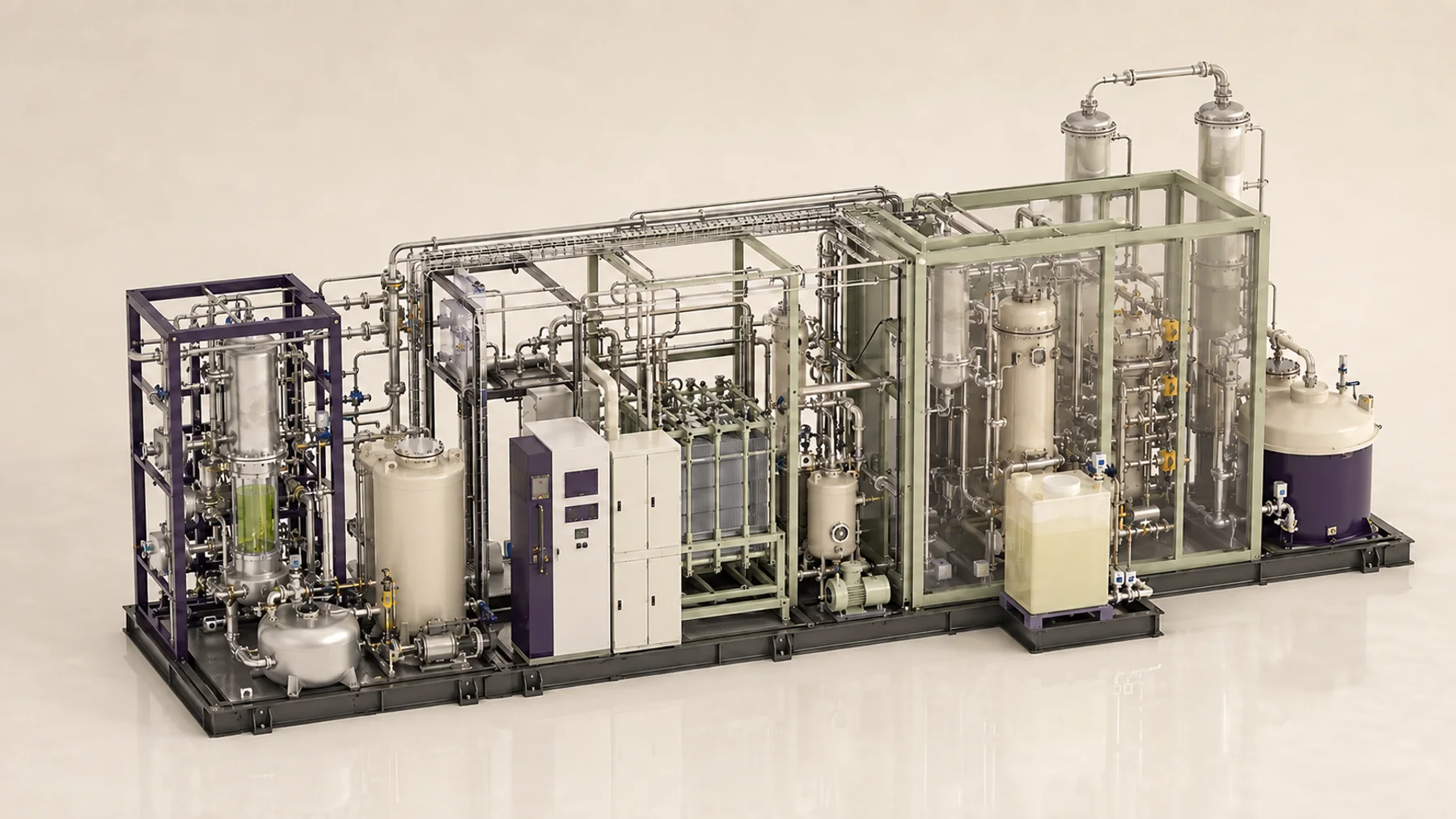
Concept / future plant
From molecule to industry
The plant
we are building toward.
This image is a concept visualization—not a photograph of an operating facility. It represents our ambition for a modular Carbo Redivivus plant.
The name
Roman builders used redivivus for stone salvaged from an old building and set into a new one.
Reused material—not recycled in the modern, faintly apologetic sense, but renewed, with its history intact. The name means carbon, used again, in a language where the phrase already carried two thousand years of meaning.
The founders
Scientific depth.
Industrial intent.
Carbo Redivivus brings together electrochemistry, process development and the determination to move a new carbon pathway into industry.


Investors & industrial partners
Ready to rethink
where carbon comes from?
If you are exploring the future of chemical manufacturing, let's start a conversation.